Shop





All Headscarves
Retro Headscarves
Comfort Essentials
Gift Cards
about


About LuxCare
How We Design
Sustainability & Materials
Recognition


Press
Voices from Our Community
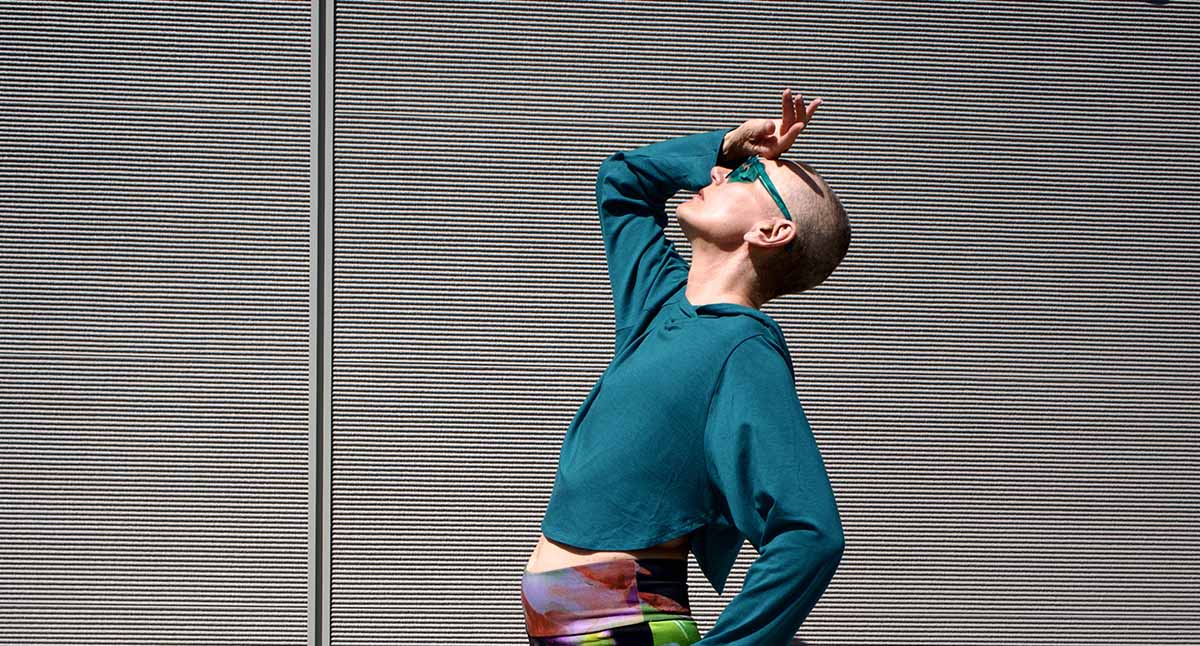

Sun Protection After Cancer: Thoughtful Strategies for Sensitive Skin
Melanoma Changed Everything,
Including How I See the Sun

I was diagnosed with a rare form of melanoma called acral lentiginous melanoma, the kind that appears on the hands, feet, and under fingernails. Unlike most skin cancers, it isn’t caused by sun exposure. But after navigating Stage IV cancer (three times) and undergoing intensive treatment, I’ve become deeply intentional about UV protection. Healing skin is incredibly vulnerable, and over time I’ve learned how empowering it can feel to protect it with care. These are the sun safety practices that continue to support me every day.
If you’re navigating treatment or life after cancer, sun protection may look and feel different for you, too. Certain therapies, including immunotherapy, chemotherapy, and specific medications, can increase your skin’s sensitivity to light, leaving you more prone to burning, irritation, or discoloration. And even long after treatment, your risk for secondary cancers like melanoma may remain elevated. According to the Skin Cancer Foundation, cancer survivors have a significantly higher lifetime risk of developing melanoma, making thoughtful sun care more than a cosmetic concern.
Quick Facts
-
Using tanning beds before age 35 increases your melanoma risk by 75%.
-
UV rays can still cause DNA damage long after treatment has ended.
-
Some immunosuppressants may reduce your body's ability to repair sun damage.
2. Choose the Right Sunscreen
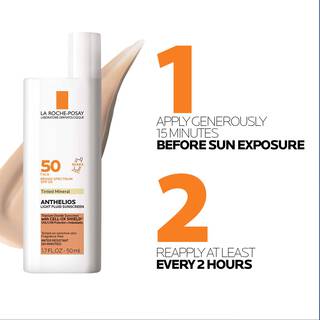
For post-treatment skin, comfort and consistency matter just as much as SPF rating. My personal favorite is La Roche-Posay Anthelios SPF 40+ it feels like a regular moisturizer and now comes in multiple tint options. I use the tinted formula for my face and SPF 100 for my body. Look for mineral-based, fragrance-free sunscreens made with zinc oxide or titanium dioxide for better tolerance on sensitive skin.
Bonus Tool:
For real-time feedback on sunscreen coverage and when to reapply, I recommend trying SPOTMYUV® , a UV-detection sticker that changes color when your protection fades.
Quick Tip:** Apply SPF as part of your morning routine and carry a travel size for touch-ups, especially after hugging, sweating, or leaning against anything.
3. Protect Healing Skin and Scars

I recommend ESTAS Beauty for scar care, a brand founded by women who understand the emotional and physical impact of healing skin. Their formulas are designed to treat scars gently and effectively, without harsh ingredients. Pair their products with targeted UV protection like Sun Patch Targeted Squares to help shield healing areas from sun exposure and prevent long-term discoloration.
4. Don’t Forget Your Scalp, Lips, and Eyes

-
Try COOLA Scalp & Hair Mist SPF 30 — a lightweight, non-greasy option.
-
Use a nourishing lip balm like MDSolarSciences Sheer Lip Balm SPF 30 to avoid dry, sunburned lips.
-
Opt for sunglasses with UV protection to guard against eye-related sun damage.
5. Make UPF Clothing Your Everyday Shield

Unlike sunscreen, UPF (Ultraviolet Protection Factor) clothing doesn’t need to be reapplied, won’t sweat off, and offers consistent, body-wide protection. A fabric with UPF 50 blocks 98% of UV radiation.
Why it matters for cancer patients:
-
Skin is more prone to damage after radiation or chemo.
-
Your immune system may not repair UV damage efficiently.
-
Coverage from UPF clothing reduces the risk of developing secondary cancers.
What to Look For:
-
Fabric: Tightly woven synthetics (like polyester) generally protect better than cotton. But some natural fabrics like Tencel also offer excellent sun safety without relying on synthetics.
-
Color: Darker or brighter colors absorb more UV.
-
Fit: Loose-fitting styles allow better airflow while shielding the skin.
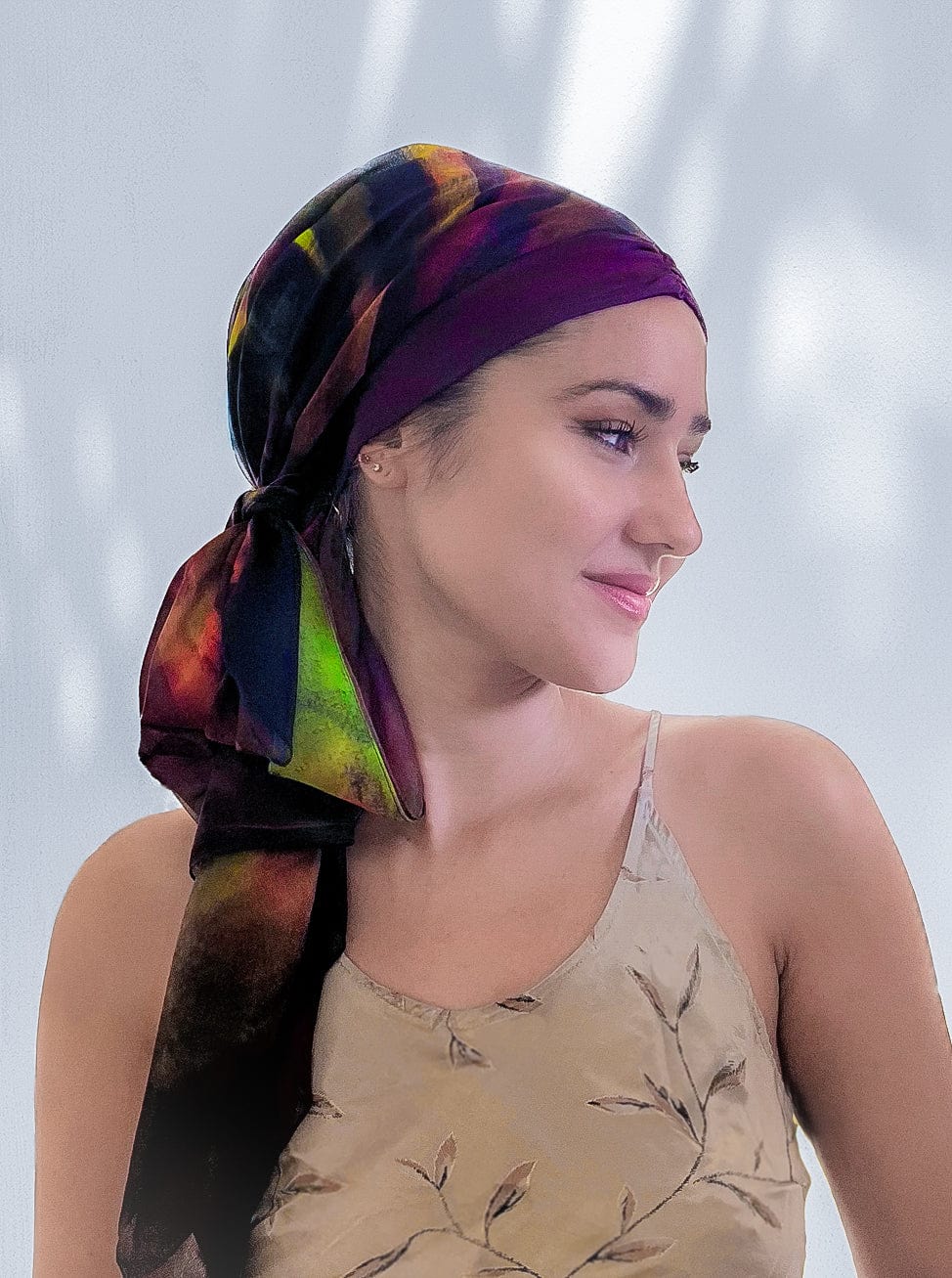
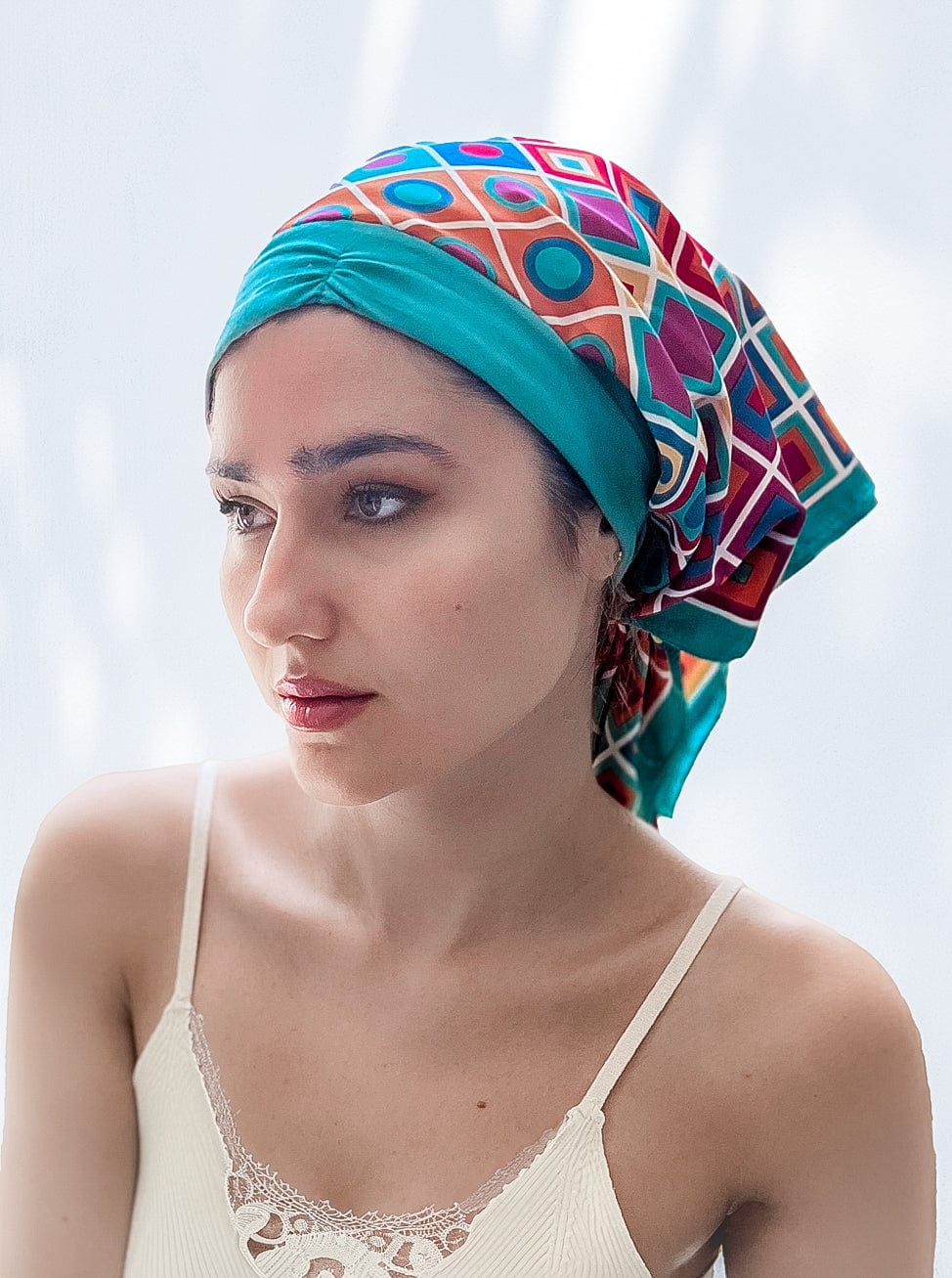
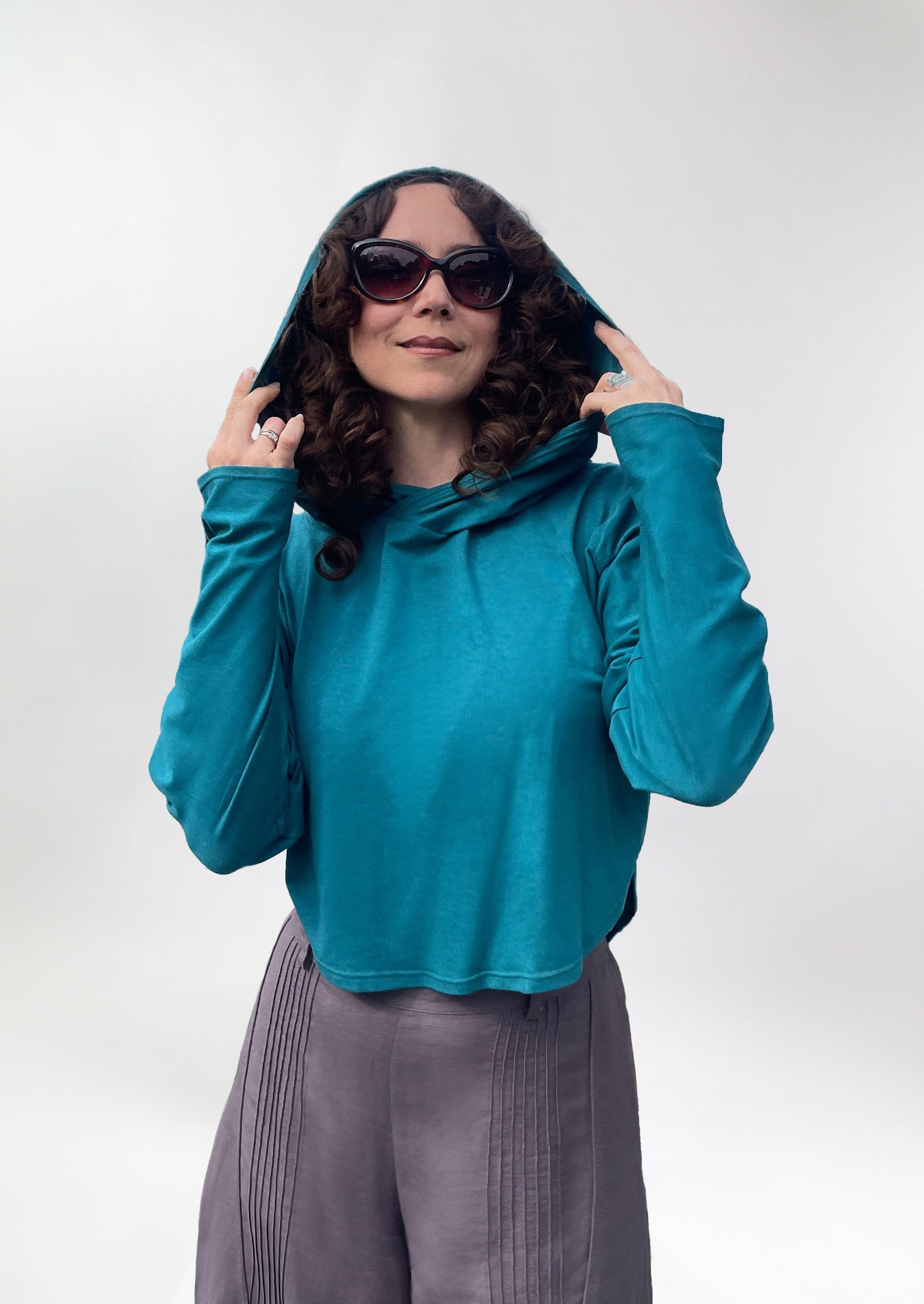
At LuxCare, we designed our UPF 50+ Sun Hoodie to be breathable and lightweight enough for year-round use. They are made out of Tencel, a natural fiber made from cedar tree bark, rather than being synthetic or chemical-dipped. It’s perfect for everyday wear, including in cars and on flights, where UV rays can still reach you. And our UPF 50+ Headscarves were recently independently lab tested, providing certified sun protection in a soft, sustainable, lightweight, all-in-one design for people experiencing hair loss.
Final Thought
Sun protection is about consistency, intention, and care. After everything your body has endured, your skin deserves to be protected without compromise.
Sun safety is a quiet way to care for the body that’s already been through so much.
— Paloma Soledad, Designer & 3x Cancer Survivor / Founder LuxCare Clothing
Also in Strength & Style Journal